


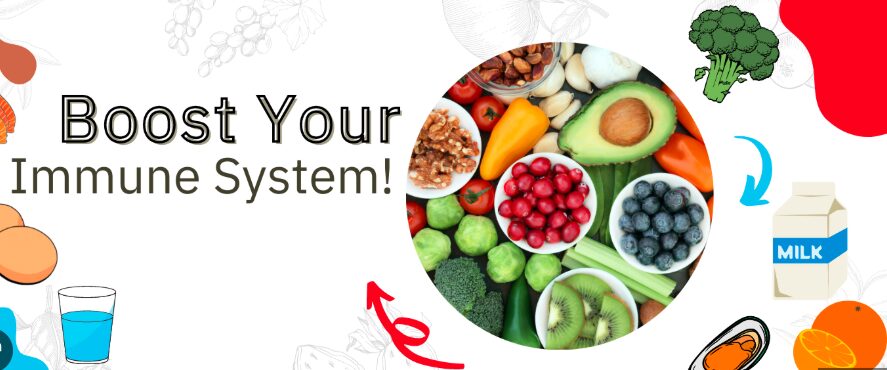
The immune system plays a vital role in protecting the body from infections, viruses, and diseases. A strong immune system helps the body fight harmful bacteria and maintain overall health. While no method can guarantee complete protection from illness, healthy lifestyle habits can naturally support and strengthen the immune system over time.
What Is the Immune System?
The immune system is the body’s defense network. It consists of cells, tissues, and organs that work together to identify and fight harmful substances. When the immune system becomes weak, the body may become more vulnerable to infections and illnesses.
Eat a Balanced and Nutritious Diet
Healthy nutrition is one of the most effective ways to support immune function. The body needs vitamins, minerals, and antioxidants to fight infections and stay healthy.
Foods That Support Immunity
Some immune-boosting foods include:
- Citrus fruits like oranges and lemons
- Leafy green vegetables
- Garlic and ginger
- Yogurt and probiotic foods
- Nuts and seeds
- Fish rich in omega-3 fatty acids
Eating a variety of healthy foods helps provide the nutrients needed for a strong immune system.
Get Enough Sleep
Sleep is essential for immune health. During sleep, the body repairs itself and produces important immune cells. Poor sleep can weaken the immune response and increase the risk of illness.
Tips for Better Sleep
- Maintain a regular sleep schedule
- Avoid screen time before bed
- Create a comfortable sleeping environment
- Limit caffeine intake at night
Adults generally need around 7 to 9 hours of sleep each night for optimal health.
Stay Physically Active
Regular exercise supports circulation and helps immune cells move efficiently throughout the body. Physical activity can also reduce stress and improve overall well-being.
Beneficial Forms of Exercise
- Walking
- Cycling
- Swimming
- Yoga
- Light strength training
Moderate exercise performed consistently is usually best for immune support.
Manage Stress Effectively
Long-term stress can negatively affect the immune system. High stress levels may increase inflammation and reduce the body’s ability to fight infections.
Healthy Stress Management Techniques
- Deep breathing exercises
- Meditation
- Spending time outdoors
- Listening to music
- Talking with friends or family
Managing stress helps both mental and physical health.
Drink Plenty of Water
Hydration is important for overall body function, including the immune system. Water helps transport nutrients, remove toxins, and maintain healthy body processes.
Hydration Tips
- Drink water regularly throughout the day
- Eat water-rich foods like cucumbers and watermelon
- Reduce sugary drinks and excessive caffeine
Staying hydrated supports the body’s natural defenses.
Maintain Good Hygiene Habits
Good hygiene practices help reduce exposure to harmful germs and bacteria.
Important Hygiene Practices
- Wash hands regularly
- Cover coughs and sneezes
- Keep frequently touched surfaces clean
- Avoid touching the face with unwashed hands
These habits can lower the spread of infections.
Spend Time in Sunlight
Sunlight helps the body produce vitamin D, which supports immune health. Low vitamin D levels may affect the body’s ability to fight infections.
Safe Sunlight Exposure
Spending a short amount of time outdoors each day may help maintain healthy vitamin D levels.
Avoid Harmful Habits
Certain unhealthy habits can weaken the immune system over time.
Habits to Limit or Avoid
- Smoking
- Excessive alcohol consumption
- Poor eating habits
- Lack of physical activity
Making healthier choices can improve long-term immune function.
The Role of Vitamins and Minerals
Certain nutrients are especially important for immune support.
Key Nutrients for Immunity
| Nutrient | Benefits | Food Sources |
|---|---|---|
| Vitamin C | Supports immune cells | Citrus fruits, peppers |
| Vitamin D | Helps immune response | Sunlight, fish, eggs |
| Zinc | Supports healing | Nuts, seeds, meat |
| Iron | Helps oxygen transport | Spinach, beans |
| Omega-3 | Reduces inflammation | Fish, walnuts |
Getting nutrients from whole foods is generally the healthiest approach.
Importance of Consistency
Building a strong immune system does not happen overnight. Healthy habits practiced consistently over time provide the best support for overall health and immunity.
Small daily improvements such as eating healthier meals, staying active, sleeping well, and managing stress can make a big difference.
Conclusion
Strengthening the immune system naturally involves maintaining a healthy lifestyle. A balanced diet, regular exercise, quality sleep, stress management, hydration, and good hygiene all play important roles in supporting immune health. By making positive daily choices, individuals can help their bodies stay strong, healthy, and better prepared to fight illness naturally.