


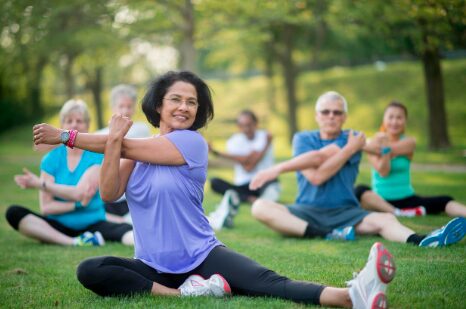
Aging is a natural part of life, but maintaining good health as people grow older is extremely important. One of the best ways to support healthy aging is through regular exercise. Physical activity helps the body stay strong, improves mental well-being, and reduces the risk of many age-related health problems. Exercise is not only beneficial for younger people; it is equally important for older adults who want to remain active, independent, and healthy.
What Is Healthy Aging?
Healthy aging means maintaining physical, mental, and emotional well-being as people grow older. It focuses on preserving mobility, strength, memory, and overall quality of life. Healthy aging allows individuals to continue performing daily activities independently and enjoy a better lifestyle.
Exercise plays a major role in helping people age in a healthier and more active way.
Benefits of Exercise for Older Adults
Regular physical activity offers many benefits that support both the body and the mind during aging.
Improves Muscle Strength
As people age, muscle mass naturally decreases. Regular exercise helps maintain and build muscle strength, making everyday activities easier.
Benefits include:
- Better balance
- Improved mobility
- Reduced weakness
- Greater independence
Strength training exercises can help older adults stay physically active and prevent muscle loss.
Supports Heart Health
Exercise improves blood circulation and strengthens the heart. It may help lower the risk of heart disease, high blood pressure, and stroke.
Heart-Healthy Activities
Some beneficial exercises include:
- Walking
- Cycling
- Swimming
- Light aerobic workouts
Staying active supports long-term cardiovascular health.
Helps Maintain Healthy Bones
Bone density often decreases with age, increasing the risk of fractures and osteoporosis. Weight-bearing exercises help strengthen bones and improve stability.
Exercises for Bone Health
- Walking
- Stair climbing
- Resistance training
- Dancing
Strong bones are essential for maintaining independence and reducing fall-related injuries.
Improves Flexibility and Balance
Balance and flexibility may decline over time, increasing the risk of falls. Exercise helps improve coordination and body control.
Activities That Improve Balance
- Yoga
- Stretching exercises
- Tai chi
Improved flexibility can make movement easier and reduce stiffness in the body.
Supports Mental Health
Exercise has a positive effect on mental and emotional well-being. Physical activity releases chemicals in the brain that improve mood and reduce stress.
Mental Health Benefits
Regular exercise may help:
- Reduce anxiety and stress
- Improve mood
- Increase self-confidence
- Support emotional well-being
Staying active can also help older adults remain socially engaged and mentally stimulated.
Enhances Brain Function
Exercise supports healthy brain function and may improve memory and concentration. Some studies suggest that regular physical activity may reduce the risk of cognitive decline.
Cognitive Benefits of Exercise
- Better focus
- Improved memory
- Increased mental alertness
- Reduced mental fatigue
Keeping the brain active is an important part of healthy aging.
Helps Maintain a Healthy Weight
Metabolism often slows with age, making weight management more challenging. Exercise helps burn calories and maintain a healthy body weight.
Maintaining a healthy weight can reduce the risk of conditions such as:
- Diabetes
- High blood pressure
- Joint problems
- Heart disease
Boosts Energy Levels
Regular movement increases energy and reduces feelings of fatigue. Active individuals often feel more refreshed and productive throughout the day.
Exercise improves oxygen flow and circulation, which supports overall energy levels.
Reduces the Risk of Chronic Diseases
A physically active lifestyle may lower the risk of many chronic health conditions associated with aging.
Conditions Exercise May Help Prevent
- Type 2 diabetes
- Arthritis
- Heart disease
- Obesity
- Depression
Consistent physical activity supports overall long-term health.
Safe Exercise Tips for Older Adults
Older adults should choose activities that match their fitness level and physical condition.
Helpful Safety Tips
- Start slowly and increase activity gradually
- Stay hydrated during exercise
- Wear supportive footwear
- Warm up before workouts
- Consult a healthcare provider if necessary
Regular movement is more important than intense exercise.
Best Types of Exercise for Healthy Aging
A balanced exercise routine should include different forms of activity.
| Type of Exercise | Benefits |
|---|---|
| Walking | Improves heart health and mobility |
| Strength Training | Builds muscles and bone strength |
| Stretching | Increases flexibility |
| Yoga | Supports balance and relaxation |
| Swimming | Gentle on joints and improves endurance |
Combining different exercises can provide the best overall results.
Conclusion
Exercise plays a vital role in healthy aging by supporting physical strength, mental well-being, heart health, and mobility. Regular physical activity can improve quality of life, reduce the risk of chronic diseases, and help older adults remain independent for longer. Whether through walking, stretching, swimming, or strength training, staying active is one of the most effective ways to age healthily and maintain overall wellness.