


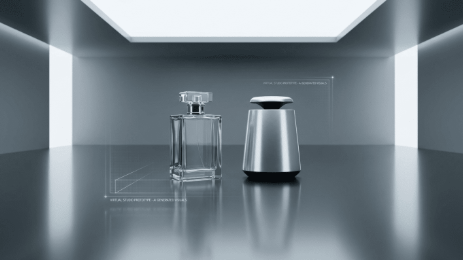
The traditional product photoshoot is becoming a relic of the past. For decades, e-commerce brands have been locked in a cycle of expensive logistics. This cycle includes shipping physical products to studios, hiring photographers, and managing complex lighting setups. It is a slow, rigid, and costly process that often fails to meet the speed of modern digital marketing.
Today, the demand for visual content is higher than ever. A single product often requires dozens of variations for different social media platforms. Brands need lifestyle shots, minimalist studio frames, and season-specific backgrounds. Meeting this demand through physical photography is nearly impossible for most Direct-to-Consumer (DTC) businesses.
The emergence of professional AI tools has changed the equation. Modern creative engines allow brands to generate studio-quality visuals in seconds. This shift is not just about saving money. It is about gaining total control over the creative process and scaling production to levels that were previously unimaginable.
The Content Bottleneck in Modern E-Commerce
Physical photography presents several major hurdles for growing brands. The most significant is the lack of flexibility. Once a photoshoot is finished, the assets are static. If a brand wants to change a background or adjust the lighting for a holiday campaign, they must schedule a new shoot.
This delay creates a content gap. While a marketing team waits for edited photos, they miss out on viral trends and seasonal opportunities. Furthermore, the high cost per image limits the ability to run A/B tests. Most brands cannot afford to shoot five different lifestyle scenes for one Instagram ad.
The introduction of a professional ai image generator solves these problems by decoupling the product from the environment. Instead of physical sets, creators use digital prompts to build hyper-realistic scenes. This allows for a level of experimentation that traditional photography simply cannot match.
Why Technical Precision Matters for Brands
Early versions of generative AI were often seen as toys rather than professional tools. They struggled with two specific areas that are critical for e-commerce: text rendering and character consistency. For a brand to use AI for professional ads, the product labels must be legible and the brand characters must remain the same across different scenes.
Higgsfield addresses these specific pain points with high-performance engineering. The platform is designed for commercial readiness rather than generic art generation. By providing a unified environment for top-tier models, it ensures that every output meets professional standards.
One of the most significant breakthroughs in this space is the ability to maintain visual identity. In a typical ai image generator, creating a series of images with the same model or product can be difficult. However, advanced systems now use specialized identifiers to lock in specific visual traits.
The Role of Higgsfield Soul and Seedream
Within the higgsfield ecosystem, different models serve different strategic purposes. For brands that require high-fashion aesthetics and professional lighting, the Higgsfield Soul model is the primary choice. It focuses on the subtle details of skin texture, fabric drapes, and cinematic shadows.
When a brand needs to push the boundaries of creativity, they might turn to Seedream. This model is built for highly imaginative concepts that might be too expensive to build in a physical studio. For example, a beverage brand could place their product in a surreal, liquid-gold environment that would require a massive CGI budget in a traditional setting.
Strategies for Integrating AI Into Your Creative Workflow
To successfully replace product photography, brands must adopt a strategic approach. It is not enough to simply type a prompt. Professional results require a deep understanding of composition and lighting. Here are several actionable strategies to move from physical shoots to digital generation.
1. Leverage Prompt-Based Lighting Control
In a studio, photographers spend hours adjusting softboxes and reflectors. In an ai image generator, you control lighting through descriptive language. You can specify “golden hour lighting,” “soft studio Rembrandt lighting,” or “harsh neon accents.” This allows brands to match the mood of their visuals to the specific emotional tone of a marketing campaign.
2. Solve the Consistency Challenge with Soul ID
One of the biggest risks in AI adoption is the “uncanny valley” or fluctuating character faces. Higgsfield solves this with the Soul ID feature. This allows a brand to create a consistent digital spokesperson or model who appears in every ad. By maintaining this character consistency, the brand builds trust and recognition over time.
3. Use Nano Banana Pro for Accurate Brand Text
E-commerce ads often fail when the AI garbles the text on a product label. The Nano Banana Pro engine is specifically optimized for text legibility. This means a brand can generate a full ad layout where the product name and call-to-action are crisp and accurate. This level of precision is what differentiates a professional ai image generator from a generic one.
4. Scale with the Virality Predictor
Creating content is only half the battle. Knowing what will perform is the other half. Modern platforms now integrate tools like the Virality Predictor. This helps marketing teams determine which visual styles are likely to resonate on platforms like TikTok or Instagram. It turns the creative process into a data-driven strategy.
The Financial Impact of AI Adoption
The shift to AI-generated assets significantly reduces the cost per acquisition (CPA). According to high-quality visual content is directly linked to higher conversion rates and lower return rates. By using AI, brands can produce more of these high-performing assets for a fraction of the cost.
Consider the following cost comparison:
- Traditional Shoot: Studio rental ($1,000+), Photographer ($2,000+), Models ($1,500+), Post-production (weeks).
- AI Workflow: Platform subscription, prompt engineering (minutes), 4K output (seconds).
The savings are not just in dollars, but in hours. A marketing manager can generate 40 different ad formats in a single afternoon. This speed allows for rapid iteration based on real-time performance data. If an ad isn’t performing well on Facebook, the team can generate a new variation with a different background in minutes.
From Static Images to Cinematic Video
The final frontier of replacing product photography is the transition to motion. A modern ai image generator is often the first step in a larger video workflow. For instance, higgsfield allows users to move seamlessly from a high-resolution image to a cinematic video clip.
This is a game-changer for social media advertising. Video content consistently outperforms static images on platforms like Instagram Reels. By using an image-to-video workflow, brands can turn a single product prompt into a full video ad campaign. This democratization of professional cinematography allows small DTC brands to compete with the production quality of global corporations.
Conclusion: The Pro-Grade Future
The transition from physical photography to AI-generated imagery is no longer a futuristic concept. It is a current reality for high-growth e-commerce brands. By removing the logistical barriers of the physical world, creators are free to focus on storytelling and brand strategy.
Higgsfield provides the essential infrastructure for this new era. It moves beyond the limitations of simple prompt engineering to offer a professional marketing studio. With features like Soul ID for consistency and the Nano Banana Pro engine for text, it ensures that every asset is “commercial-ready.”For digital agencies and creative studios, the choice is clear. Staying competitive in a visual-first economy requires scalability and precision. By leveraging a professional ai image generator, brands can finally close the content gap. They can produce indistinguishable-from-reality visuals at the speed of thought. This is the ultimate democratization of high-budget studio production, and it starts with the right creative engine.